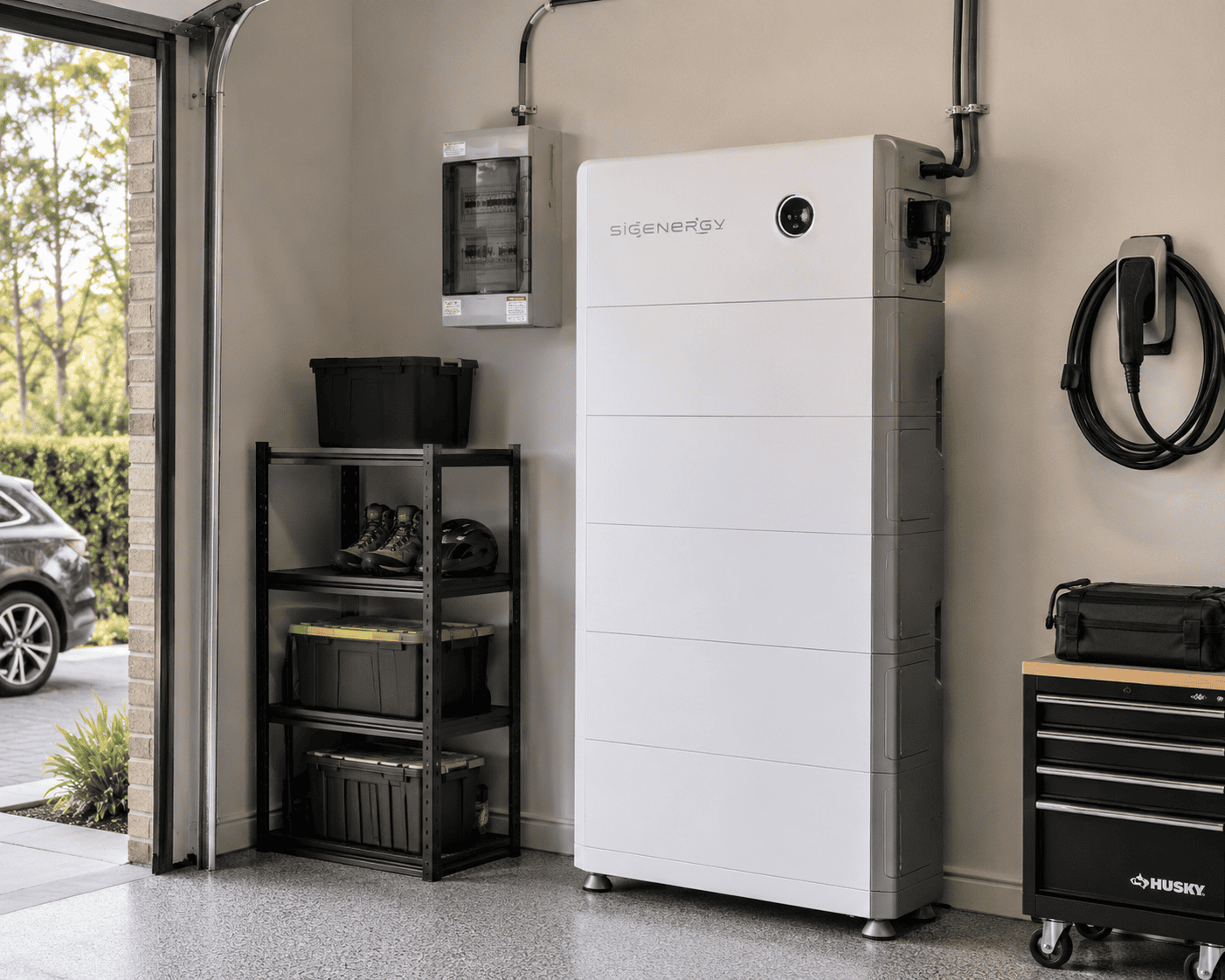
Cheaper Home Batteries Program 2026: The Complete Australian Guide
Australia’s Cheaper Home Batteries Program just passed 500,000 installations — and most of the households that benefited had no idea how simple the process was until they saw the discount applied to their invoice.
If you have solar panels (or are getting them), the Cheaper Home Batteries Program could cut thousands of dollars off the cost of a home battery. No application form. No government portal. No waiting for a cheque. Here is everything you need to know, in plain English.
What Is the Cheaper Home Batteries Program?
The Cheaper Home Batteries Program is a federal government initiative that reduces the upfront cost of installing a home battery system. It launched on 1 July 2025 and is funded to an estimated $7.2 billion through to 2030.
The program works the same way as the long-running solar panel rebate: your installer applies the discount directly to your quote, you pay the reduced price, and the paperwork happens entirely between the installer and the Clean Energy Regulator. You never touch a form or deal with a government website.
The goal is to make battery storage affordable for ordinary Australian households — helping people store the solar electricity they generate during the day and use it in the evening, rather than exporting it cheaply to the grid.
How Much Is the Rebate Worth?
The discount is approximately 30% of the upfront installed cost of an eligible battery, delivered through Small-scale Technology Certificates (STCs). From May 2026, a maximum rebate rate of $272 per kWh of usable capacity applies to systems in the 5–50 kWh range.
In practice, here is what typical Australian households can expect:
| Battery size | Approximate rebate value (from May 2026) |
|---|---|
| 5 kWh | ~$1,200–$1,500 |
| 10 kWh | ~$2,500–$3,000 |
| 13.5 kWh (e.g. Tesla Powerwall 3) | ~$3,200–$3,700 |
| 20 kWh | ~$4,500–$5,400 |
| Maximum (50 kWh usable) | Up to ~$13,600 |
These are approximate figures. The exact rebate depends on the battery’s usable capacity, the current STC market price (typically $37–$40 per certificate), and your installation date.
Important: From 1 May 2026, the STC factor for batteries now declines every six months rather than annually, and at a faster rate than previously scheduled. This means the rebate available in the second half of 2026 is slightly lower than in the first half, and will continue declining through to 2030. Installing sooner locks in a higher discount.
What Changed on 1 May 2026
Two significant changes came into effect on 1 May 2026 following amendments to the Renewable Energy (Electricity) Regulations 2001:
1. The tapering schedule accelerated. The rebate previously stepped down once per year. It now steps down every six months. This reflects falling battery prices and the government’s intention to phase out support as the market matures.
2. A tiered structure was introduced. Larger batteries now receive a lower rebate per kWh compared to smaller systems. The changes deliberately favour right-sized residential systems in the 9–14 kWh range — the sweet spot for most Australian households — rather than rewarding oversized installs.
The fundamental eligibility criteria did not change. Who qualifies and how to claim remain the same.
Who Is Eligible?
The Cheaper Home Batteries Program is not means-tested. There is no income limit. Here are the eligibility requirements:
- Australian homeowner, small business, or community organisation
- The battery must be paired with solar — either an existing system or one installed at the same time. Standalone batteries not connected to solar do not qualify.
- Battery capacity between 5 kWh and 100 kWh (nominal). STCs are only claimable on the first 50 kWh of usable capacity per premises.
- VPP-capable — the battery must be technically capable of connecting to a virtual power plant. You do not have to actually join a VPP, but the capability must exist. Some cheaper batteries do not meet this requirement — ask your installer before committing.
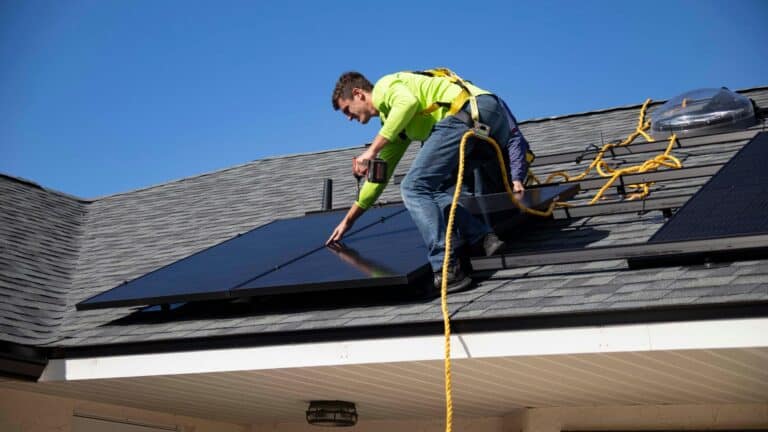
- Installed by an SAA-accredited installer using a Clean Energy Council approved battery model.
- One claim per property — the rebate applies once per address.
- State incentives can be stacked — the federal rebate can be combined with eligible state schemes.
How to Claim the Rebate
The process is simpler than most people expect:
Step 1 — Get quotes from accredited installers. Get at least two or three quotes. Every accredited installer knows about the program and factors the rebate into their pricing automatically.
Step 2 — Your installer applies the discount upfront. You assign your right to create STCs to the installer. They sell those certificates on the open market and pass the value back to you as a reduction on your invoice. You pay the discounted price.
Step 3 — Installation and compliance. The installer completes the work, issues a Certificate of Electrical Safety, and creates the STCs on your behalf.
That is it. You do not apply to the government. You do not wait for a payment. The discount comes directly off your bill.
Can You Stack the Federal Rebate with State Incentives?
Yes — in several states. The federal rebate can be combined with state and territory programs to maximise your savings.
New South Wales The NSW Government expanded its Virtual Power Plant incentive from 1 July 2026 to cover batteries up to 50 kWh. NSW homeowners can stack this with the federal program. Check the NSW Energy Savings Scheme for current rates.
Victoria The Solar Homes Program offers rebates for solar panels (up to $1,400 for eligible households). A separate state battery rebate is not currently available, but the federal program applies in full.
ACT The Next Generation Energy Storage Program provides interest-free loans of $2,000–$15,000 for battery installations — structured as a loan, not a grant, but stackable with the federal discount.
Queensland No separate state battery rebate currently. The federal program applies across the state. Queensland has the highest regulated feed-in tariff on the mainland, which improves the financial case for battery storage.
South Australia State battery rebates have previously been available in SA. Check with an SA-accredited installer for current stacking opportunities — the landscape changes regularly.
Tasmania Tasmania recorded strong battery uptake in 2026. Check with a Tasmanian installer for any current local incentives.
Always verify current state incentives with your installer — these programs change regularly.
Which Batteries Qualify?
The battery must appear on the Clean Energy Council’s approved products list. Commonly installed models that qualify include:
- Tesla Powerwall 3
- Sungrow SBR series
- Alpha ESS
- Fox ESS
- BYD Battery-Box HVM
- Anker SOLIX X1
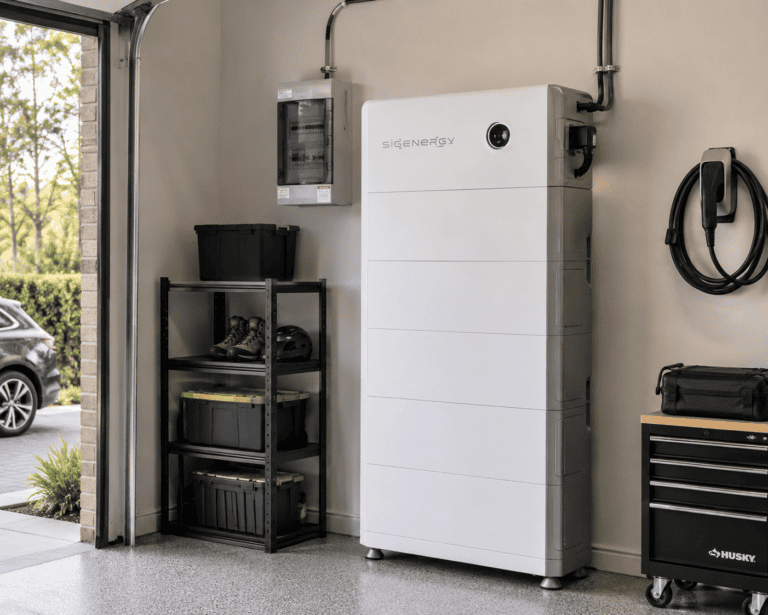
- Sigenergy
Your installer should confirm the specific model is CEC-approved before you sign anything. Do not assume — ask explicitly.
Is Now a Good Time to Act?
The program just passed 500,000 installations on 14 August 2026 — a significant milestone reached in just 13 months of operation. The number of accredited battery installers in Australia has doubled to 8,846 since the program started.
Three factors make acting sooner rather than later the sensible choice for most households:
The rebate is declining faster than before. The new six-monthly tapering schedule means the discount available in early 2027 will be meaningfully lower than today. Delaying by 12 months costs you real money.
Installer wait times are growing. With 500,000 installations completed and demand continuing to accelerate, accredited installers in many areas are booking out 6–10 weeks ahead.
Grid electricity prices are still rising. Every month you delay is a month of paying peak grid rates for evening electricity that a battery could be covering with stored solar.
For households on the fence, the combination of a declining rebate, growing installer demand, and rising electricity prices makes a strong practical case for getting quotes now.
Frequently Asked Questions
Do I need to apply to the government to get the discount? No. Your accredited installer handles everything. You sign a form assigning your STC rights to them, and the discount is applied to your invoice. You never deal with a government portal.
What if my installer doesn’t mention the rebate? Ask for it explicitly. Every accredited installer is aware of the program. If they are not applying it, ask them to explain why — or get a second quote from one who will.
Does having an older solar system affect my eligibility? Not necessarily. Your existing solar system must meet electrical safety requirements, but you do not usually need to replace it to add a battery. Your installer will assess compatibility.
Can I get the rebate for a second battery on the same property? No — one claim per electricity meter address. Multiple properties each qualify separately.
Can I install solar and a battery at the same time and get both rebates? Yes. The solar STC rebate and the battery STC rebate are separate and both apply when installed together. Many installers offer combined quotes with both discounts applied upfront.
Will the rebate still exist in 2027? Yes — the program runs until 2030. But the value steps down every six months from May 2026. Waiting costs you rebate value.
Is the rebate the same across all states? The federal rebate applies equally across Australia. Your STC zone (which affects rebate value) is determined by your postcode — northern Australia receives slightly more than southern states due to higher solar irradiance.
Next Steps
If you are ready to explore battery storage:
- Research which battery suits your household’s evening energy usage — see our guide to the best solar batteries in Australia 2026
- Get quotes from at least two or three SAA-accredited installers
- Confirm the installer is accredited and the battery is CEC-approved
- Ask the installer to show you the after-rebate price — that is the number to compare
For households already saving with solar, the Cheaper Home Batteries Program represents a genuine opportunity to complete the picture — storing what you generate and using it when it matters most.
Guide reflects the Cheaper Home Batteries Program as at August 2026, including May 2026 changes. Rebate values are approximate and depend on STC market price at time of installation. Always verify current rates with your installer and the Clean Energy Regulator at cer.gov.au.