
Adding a Battery to Existing Solar: What Every Australian Homeowner Needs to Know
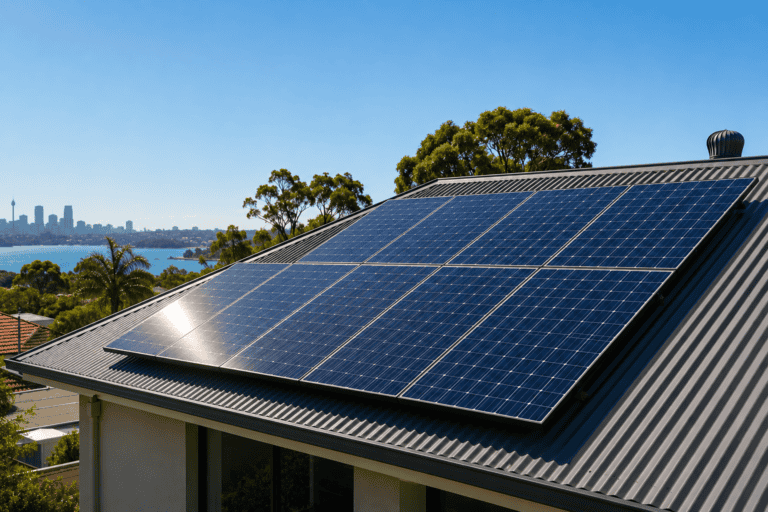
If you want to add a battery to existing solar in Australia, the good news is that it’s possible in almost every case — but how you do it depends on what inverter you currently have.
Most Australians who installed solar panels between 2015 and 2022 did so without a battery. At the time, feed-in tariffs were reasonable and batteries were expensive. Now both things have reversed — tariffs have dropped to 3–10c/kWh and battery costs have fallen dramatically. The question millions of Australian solar owners are now asking is: can I add a battery to what I already have?
The answer is almost always yes. But how you do it — and how much it costs — depends on what inverter you currently have.
How to Add a Battery to Existing Solar in Australia
Your existing solar inverter determines which batteries are compatible and how they connect. There are two main scenarios:
Scenario A: You have a standard string inverter (most common) Most systems installed before 2022 used a standard string inverter — brands like Fronius, SMA, SolarEdge, ABB, or older Sungrow models. These are not hybrid inverters and cannot directly interface with DC-coupled batteries.
Your options:
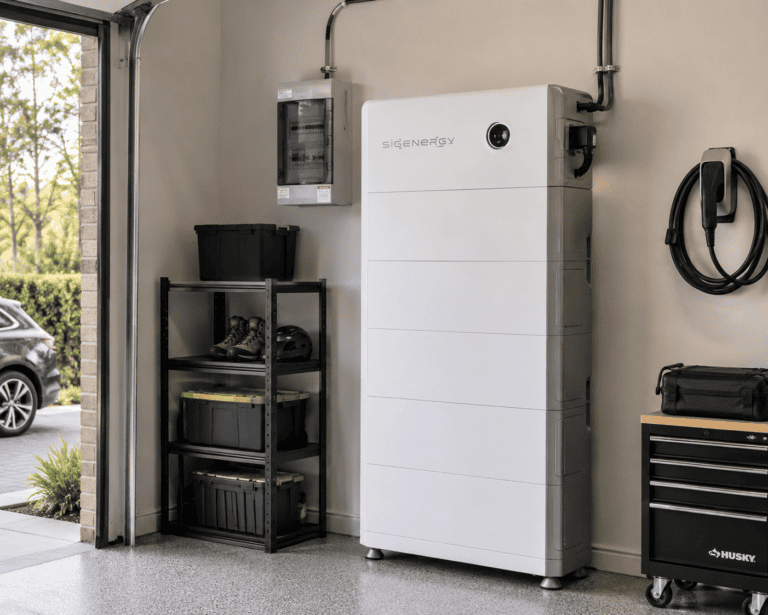
- AC-coupled battery — connects to your home’s electrical system separately from the solar inverter. Works with any existing inverter. This is the most common and cost-effective retrofit path.
- Replace the inverter with a hybrid — allows DC-coupled battery connection, which is slightly more efficient but costs $2,000–$3,500 more for the inverter replacement.
For most homeowners retrofitting a battery, AC coupling is the simpler and more cost-effective choice.
Scenario B: You have a hybrid inverter If you installed a hybrid inverter (sometimes called a solar battery-ready inverter), you can connect a DC-coupled battery directly without any additional inverter work. Check your inverter model — common hybrid brands include Sungrow SH, Fronius Gen24, SolarEdge Home Hub, and Goodwe ES series.
AC Coupling vs DC Coupling — What’s the Difference?
AC coupling connects the battery to the AC (alternating current) side of your home’s electrical system. Your solar panels still feed into the existing string inverter, which converts DC power to AC. The battery has its own built-in inverter and connects separately.
Pros:
- Works with any existing solar inverter
- No need to replace working equipment
- Lower total cost for retrofits
- Tesla Powerwall 3 and BYD Battery-Box are AC-coupled — both widely available
Cons:
- Slightly less efficient than DC coupling (two inverter conversions instead of one)
- Efficiency difference is typically 2–4% — meaningful over 25 years but not dramatic
DC coupling connects the battery directly to the solar array’s DC output via a hybrid inverter.
Pros:
- Slightly higher efficiency
- Simpler single-inverter system
Cons:
- Requires a hybrid inverter — meaning replacing your existing inverter if you don’t have one
- Locks you into compatible battery brands (Sungrow SBR only works with Sungrow hybrid inverters, for example)
The practical conclusion: For most existing solar owners, AC coupling is the right choice. It avoids unnecessary equipment replacement, works with the widest range of batteries, and the efficiency difference rarely justifies the extra cost.
What Does It Cost to Add a Battery in 2026?
Retrofit costs are slightly higher than installing battery and solar together, because you’re paying for a separate installation visit and potentially some additional electrical work.
Typical installed retrofit costs in 2026 (before the federal rebate):
| Battery option | AC retrofit installed cost | After federal rebate |
|---|---|---|
| 10 kWh mid-range (e.g. Alpha ESS, BYD) | $9,000–$12,000 | $6,000–$9,000 |
| 13.5 kWh Tesla Powerwall 3 | $15,000–$18,500 | $11,500–$15,000 |
| 10 kWh + hybrid inverter upgrade | $11,000–$15,000 | $8,000–$12,000 |
The federal Cheaper Home Batteries Program applies to retrofits exactly as it does to new installations — your existing solar system qualifies you for the rebate as long as the battery connects to it. As of mid-2026, the rebate is worth approximately $252 per kWh of usable capacity for the first 14 kWh. See our complete guide to the Cheaper Home Batteries Program 2026 for current rates.
Will the Federal Rebate Apply to My Retrofit?
Yes — explicitly. The Department of Climate Change, Energy, the Environment and Water confirms that battery retrofits to existing rooftop solar are supported under the national rebate scheme. Your battery still needs to connect to your existing solar system (a standalone battery that only stores grid power does not qualify), but the vast majority of retrofits meet this requirement.
The rebate is applied upfront by your installer — you don’t fill out any forms or claim anything back.
Compatibility Checklist Before You Get Quotes
Before approaching installers, gather this information — it will save time and get you more accurate quotes:
1. Your inverter brand and model Look at the inverter mounted on your wall (usually near the switchboard or in the garage). Take a photo of the label — it shows brand, model, and capacity. This is the single most important piece of information.
2. Your inverter age and warranty status If your inverter is 8–10 years old, ask your installer whether it makes sense to replace it as part of the battery installation. A new hybrid inverter now enables DC-coupled battery options for the future.
3. Your switchboard type Older switchboards (ceramic fuses rather than circuit breakers) may need upgrading before a battery can be safely installed. Your installer will assess this, but be aware it can add $500–$1,500 if required.
4. Your available roof space and orientation If you’re also considering expanding your solar panel array (common when adding a battery), check whether you have usable north, east, or west-facing roof space available.
5. Your network operator’s approval In most states, adding a battery to an existing system requires notifying your network operator. This is generally handled by your installer, but ask them to confirm they’ll manage the paperwork.
The Inverter Compatibility Question — Specific Brands
| Battery | Compatible inverters | Coupling type |
|---|---|---|
| Tesla Powerwall 3 | Any (AC-coupled) | AC |
| BYD Battery-Box HVM | Fronius, SMA, SolarEdge, GoodWe, Sungrow | AC or DC |
| Sungrow SBR | Sungrow SH hybrid only | DC |
| Alpha ESS | Alpha ESS hybrid (some models support AC) | DC / AC |
| Fox ESS | Fox ESS hybrid only | DC |
If you have a Fronius, SMA, or SolarEdge inverter, BYD Battery-Box gives you the most flexibility without replacing anything. If you have a Sungrow string inverter and want a Sungrow SBR battery, you’ll need to replace it with a Sungrow hybrid — factor that cost in before comparing prices.
Is a Retrofit Worth It Compared to Waiting?
The question of whether to retrofit now or wait for a complete system replacement is worth thinking through:
Retrofit now makes sense if:
- Your existing solar system is less than 10 years old and performing well
- Your inverter is a reliable brand with remaining warranty
- You want to start capturing battery savings immediately
- You want to access the current rebate before it steps down further
Consider a full replacement if:
- Your inverter is failing or approaching end of life (10+ years old)
- Your panels are significantly underperforming
- You want a larger solar array and a battery together — the combined install cost is meaningfully lower than two separate jobs
The honest industry view: buying solar and battery together is almost always cheaper than retrofitting separately, because you share one inverter and one installation visit. But for the millions of Australians who already have solar, the retrofit economics in 2026 are genuinely positive — particularly with the rebate reducing upfront cost by roughly 30%.
Payback Period for Retrofits
Most retrofits land in a payback window of 7–12 years depending on your electricity tariff, evening consumption, and whether you join a virtual power plant program. This is slightly longer than installing solar and battery together (typically 4–7 years combined) because the battery installation cost isn’t shared with a solar installation.
For households with high evening consumption, high electricity rates (SA and NSW particularly), or EV charging needs, payback can be faster — sometimes 5–7 years after the rebate.
Frequently Asked Questions
Will adding a battery affect my existing solar warranty? No — your solar panel warranty is separate from the battery installation. Your inverter warranty may be affected if modifications are made to the existing inverter, so ask your installer about this specifically if your inverter is relatively new.
Can I add a battery without telling my electricity retailer? Your installer is required to notify your network operator (the company that owns the poles and wires, not your electricity retailer). This is different from your retailer. Your feed-in tariff arrangements remain unchanged unless you choose to switch plans.
Will a battery affect my feed-in tariff? A battery doesn’t directly change your feed-in tariff rate. What it does change is how much electricity you export — because you’re storing more of your surplus rather than exporting it. Some VPP programs offer premium rates for battery exports during peak periods, which can effectively increase what you earn per exported kWh.
How long does a retrofit installation take? Most residential battery retrofits take one full day. More complex installations (switchboard upgrades, roof work) may take longer. Your installer should give you a clear timeframe before work begins.
Costs and rebate figures reflect the Australian market as at August 2026. Compatibility depends on your specific existing system — always get a site assessment from an accredited installer before purchasing.