Is a Solar Battery Worth It Without Solar Panels in Australia 2026?
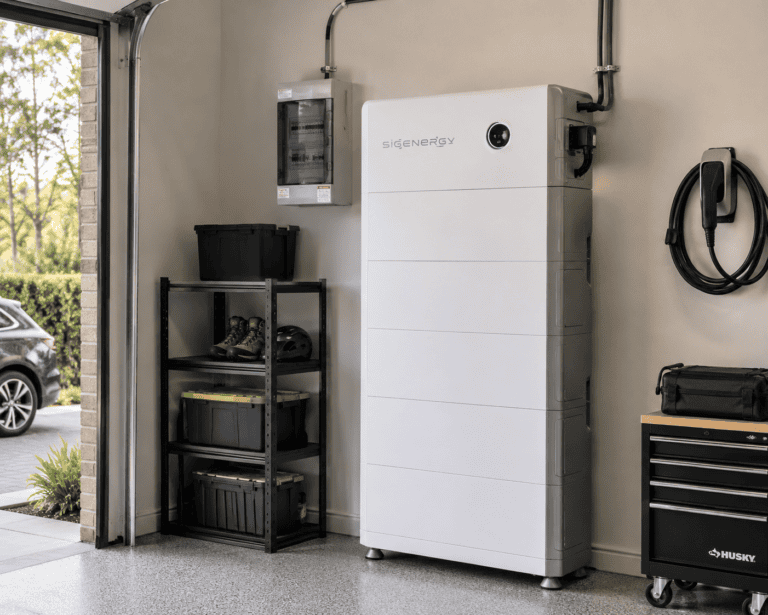
A solar battery without solar panels in Australia is possible to install — but a question that comes up more often than you’d expect: can you install a home battery without solar panels, and does it make financial sense? The answer involves some important nuances that many people get wrong.
The Short Answer
You can physically install a battery without solar panels, but in most cases it’s not financially worthwhile — and importantly, a standalone battery without solar does not qualify for the federal Cheaper Home Batteries Program rebate. That rebate requires the battery to be paired with rooftop solar.
How a Solar Battery Without Solar Panels in Australia Would Work
Without solar panels, a battery can only charge from the grid. The strategy would be: charge the battery during off-peak hours when electricity is cheap (e.g. 10pm–6am at low overnight rates), then use that stored energy during peak periods when grid electricity is expensive (typically 3pm–9pm).
This is called “energy arbitrage” — buying low and using during expensive periods. The savings come from the difference between off-peak and peak electricity rates.
Does the Maths Work?
Rarely, in 2026. The problem is the margin. If off-peak electricity costs 20c/kWh and peak costs 45c/kWh, you save 25c per kWh cycled through the battery — minus round-trip efficiency losses (about 5%). On a 10 kWh battery cycled daily, that’s roughly 10 × 24c × 365 = $876/year.
But a battery without solar costs the full price ($9,000–$15,000) with no federal rebate. At $876/year savings against a $12,000 cost, the payback is over 13 years — longer than the battery’s warranty. The maths generally doesn’t work.
When It Might Make Sense
Frequent blackouts: If you experience regular power outages and need backup power, a battery provides that regardless of the financial return. Some households value energy security over pure economics.
Very high peak/off-peak differential: In rare cases where your tariff has an extreme gap between off-peak and peak rates, the arbitrage maths improves. Check your specific tariff.
Planning solar soon: If you’re installing solar within 12 months, it’s better to wait and install both together — you’ll qualify for the rebate and the combined economics are far stronger.
The Much Better Option: Add Solar Too
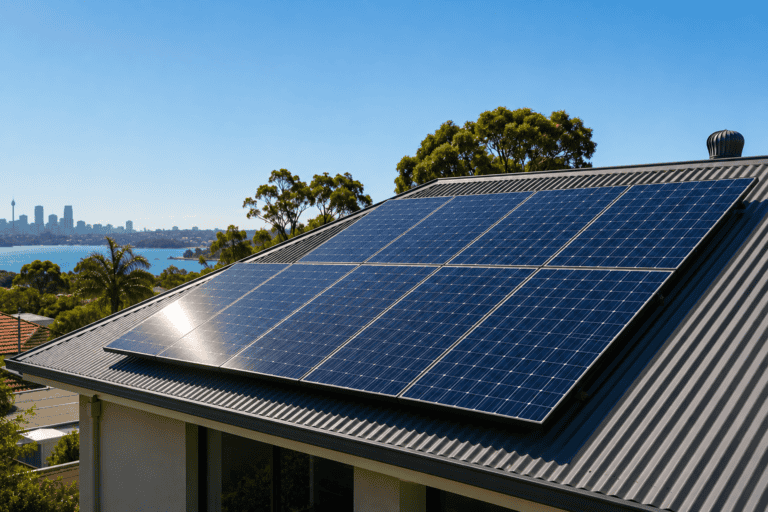
If you’re considering a battery, adding solar panels transforms the economics. Solar panels generate free electricity to charge the battery, you qualify for both the solar STC rebate and the battery rebate, and the combined payback drops to 6–8 years. A solar + battery system is one of the strongest financial decisions available to Australian homeowners — see our guide on whether solar is worth it and our battery savings guide.
Frequently Asked Questions
Can I get the federal battery rebate without solar panels?
No. The Cheaper Home Batteries Program requires the battery to be connected to rooftop solar — either existing or installed at the same time.
Can a battery charge from the grid?
Yes, technically — but without solar and without the rebate, the energy arbitrage savings rarely justify the cost.
What if I just want backup power for blackouts?
A battery without solar provides backup power, but it’s an expensive way to achieve it. If backup is your only goal, compare the cost against a backup generator. See our guide on battery blackout protection.
Information reflects the Australian market as at September 2026.