
Solar and Battery System Cost Australia 2026: What You’ll Actually Pay
The most searched question in Australian solar in 2026 isn’t “are solar panels worth it” — it’s “how much does it actually cost.” This guide gives you real numbers without the optimistic marketing spin that’s common in installer quotes and comparison sites.
Solar Panel System Costs 2026 — After STC Rebate
All prices are after the federal STC rebate has been applied. These represent what a well-informed buyer paying a fair price for quality equipment should expect to pay.
| System size | Budget tier (after rebate) | Quality tier (after rebate) | Premium tier (after rebate) |
|---|---|---|---|
| 3 kW | $2,800–$4,000 | $3,500–$5,000 | — |
| 5 kW | $3,800–$5,500 | $4,800–$7,000 | — |
| 6.6 kW | $4,500–$6,500 | $5,500–$8,000 | $7,000–$10,000 |
| 10 kW | $7,000–$10,000 | $8,500–$12,000 | $11,000–$16,000 |
| 13 kW | $9,000–$13,000 | $11,000–$16,000 | $14,000–$20,000 |
Battery System Costs 2026 — After Federal Rebate
All prices are after the Cheaper Home Batteries Program rebate has been applied.
| Battery | After rebate (retrofit) |
|---|---|
| Budget mid-range 10 kWh (Alpha ESS, BYD) | $6,000–$9,000 |
| Sungrow SBR 9.6kWh (new install + inverter) | $7,500–$10,000 |
| Anker SOLIX X1 15.2kWh | $8,500–$12,000 |
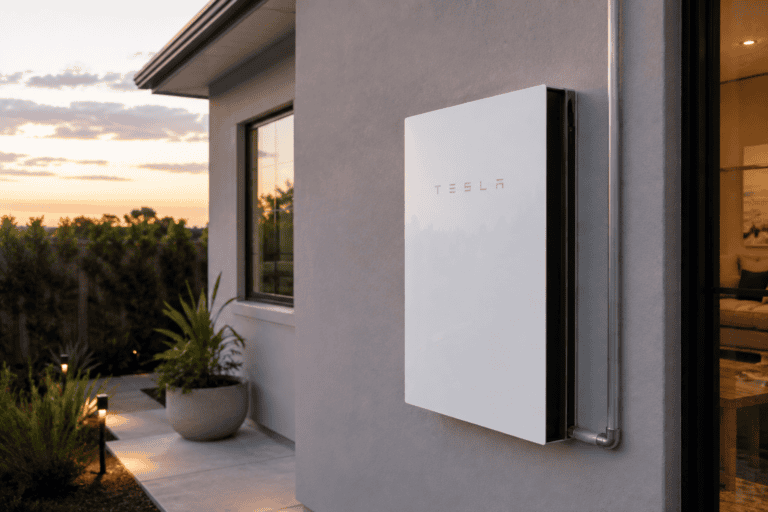
| Tesla Powerwall 3 13.5kWh | $10,000–$13,500 |
| Two Tesla Powerwall 3 units | $18,000–$24,000 |
Combined Solar + Battery Costs 2026
Installing solar and battery together is meaningfully cheaper than doing them separately — shared installation visit and, where applicable, shared inverter.
| Combination (6.6kW solar + 10kWh battery) | After all rebates |
|---|---|
| Budget solar + mid-range battery | $10,000–$14,000 |
| Quality solar + Sungrow battery | $12,000–$16,500 |
| Quality solar + Tesla Powerwall 3 | $15,000–$20,000 |
| Premium solar + Tesla Powerwall 3 | $17,000–$24,000 |
What Drives the Price Variation
Panel brand and quality: Budget PERC panels cost $0.22–0.25/W supply. Premium N-type panels (REC, SunPower) cost $0.32–0.55/W — a $600–$2,000 difference on a 6.6 kW system. Inverter brand: Budget inverters $200–$400, premium (Fronius, SMA) $1,000–$2,500. Installation complexity: Switchboard upgrades add $500–$2,000. Location: Regional and remote areas add travel costs. Installer quality: A well-established installer with trained staff and proper insurance charges more — the premium is usually justified.
Red Flags: When a Quote Is Too Cheap
Quotes more than 20% below these ranges deserve scrutiny. Common causes: unknown panel or battery brands, PERC technology presented without disclosure, inexperienced installer, subcontracted installation, or missing items. Ask for specific brand and model numbers — if they can’t answer clearly or the products aren’t on the CEC approved list, get another quote. See our guide on how to choose a solar installer for what to look for.
Frequently Asked Questions
Why do quotes vary so much for the same system?
Installer overheads, component quality, local competition, and installation complexity all vary. Always compare like for like and ask for itemised quotes.
Should I wait for prices to fall further?
Solar panel prices have stabilised. The STC rebate steps down each January. In most cases, waiting costs you rebate value. For help assessing whether solar is worth it for your situation, see our dedicated guide.
Prices reflect the Australian market as at September 2026 including federal STC and battery rebates. Prices vary by location, installer and installation complexity.