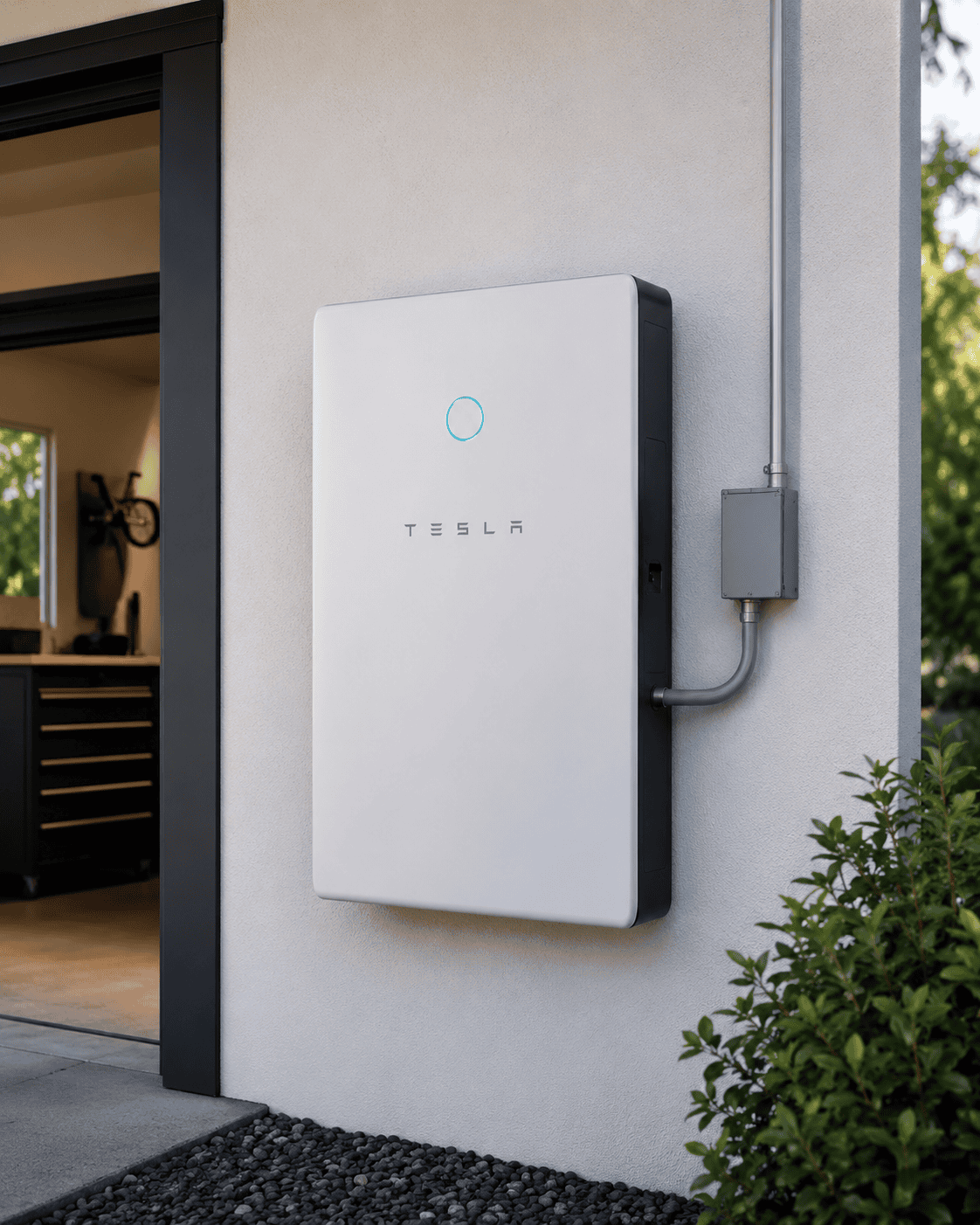
Best Solar Batteries in Australia 2026: Tesla vs Sungrow vs Alpha ESS vs Fox ESS
Choosing a home battery in Australia in 2026 is genuinely harder than it used to be. Three years ago, Tesla Powerwall was the obvious answer for most people. Today there are eight or nine credible brands competing on price, specs, and warranty — and the right choice depends heavily on what you already have installed, what your home needs during a blackout, and how much you want to spend.
This guide cuts through the marketing and gives you a straight comparison of the four brands Australians buy most: Tesla, Sungrow, Alpha ESS, and Fox ESS. We also flag where BYD fits in, because it keeps coming up and deserves a mention.
All prices below are installed costs before the federal Cheaper Home Batteries Program rebate. After rebates, expect to subtract roughly 20–30% depending on battery size and your location.
Quick Verdict: Who Should Buy What
Before diving into specs, here is the short version for people who just want an answer:
| Your situation | Best pick |
|---|---|
| Want the simplest install, best blackout protection, don’t mind paying more | Tesla Powerwall 3 |
| Buying solar + battery together, want best value per kWh | Sungrow SBR |
| Want flexibility to start small and expand later | Alpha ESS |
| Large home, high energy use, want maximum storage capacity | Fox ESS CQ6 |
| Already have a non-Sungrow inverter and want good value | BYD Battery-Box |
The Four Main Contenders
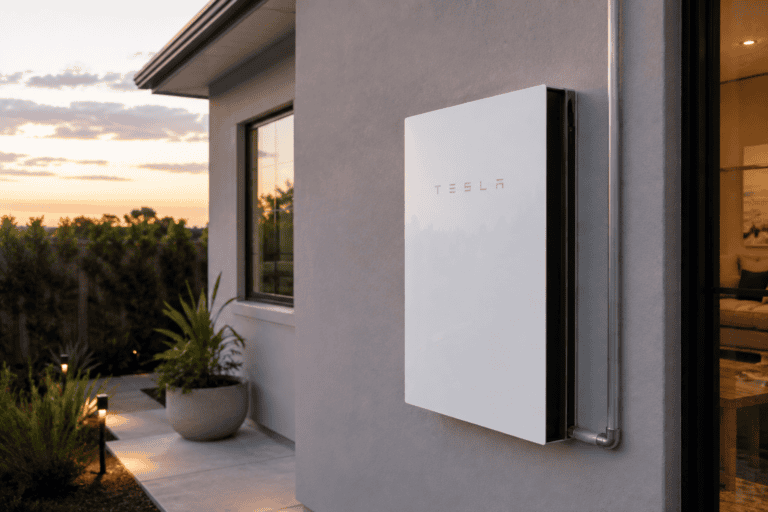
1. Tesla Powerwall 3 — Best for Simplicity and Blackout Protection
Installed price: $13,500–$16,500
Usable capacity: 13.5 kWh
Continuous power output: 11.5 kW
Round-trip efficiency: 89%
Warranty: 10 years
Works with: Any existing solar inverter (AC-coupled)
Tesla has sold more home batteries in Australia than any other brand, and the Powerwall 3 is a meaningful upgrade on its predecessor. The biggest change is a built-in solar inverter — meaning it can slot into any existing solar system without you needing to replace your current inverter. That is a significant practical advantage for the millions of Australians who already have solar and are now looking to add storage.
The standout specification is continuous power output: 11.5 kW. Most competing batteries deliver 5–9 kW. In plain terms, this means the Powerwall 3 can run your air conditioner, fridge, oven, and other heavy appliances simultaneously during a grid outage without tripping. For households that prioritise whole-home blackout protection, nothing else on this list currently matches it.
Where Tesla falls short: Round-trip efficiency of 89% is the lowest in this comparison — Sungrow achieves 97%, which means Tesla loses more energy per charging cycle over time. At $9,000 supply price (before installation), it is also meaningfully more expensive than BYD and Alpha ESS alternatives with similar or larger storage capacity. And if you are not already in the Tesla ecosystem, some of the app’s best features are less relevant.
Best for: Homeowners adding storage to an existing solar system who want whole-home backup and the simplest possible installation. Not the best value per kWh, but the best experience per dollar.
2. Sungrow SBR — Best Value If You’re Starting Fresh
Installed price: $8,500–$13,000 (varies by capacity)
Usable capacity: 9.6 kWh to 25.6 kWh (modular, stackable)
Continuous power output: 9.6 kW
Round-trip efficiency: 97%
Warranty: 10 years
Works with: Sungrow SH hybrid inverter only (DC-coupled)
Sungrow is Australia’s fastest-growing battery brand in 2026 for good reason: at $664–$938 per kWh installed, it offers the lowest cost per kWh of any mainstream option. Its 97% round-trip efficiency is class-leading, meaning more of the solar energy you generate actually gets used rather than lost in the conversion process.
The SBR series is modular and stackable from 9.6 kWh up to 25.6 kWh, with the option to add capacity later as your needs grow. For a household installing solar and a battery together from scratch, Sungrow often represents the most economical total system cost.
The critical limitation: Sungrow’s SBR battery is DC-coupled and requires a Sungrow SH-series hybrid inverter to operate. If you already have solar with a different brand of inverter — which most existing solar owners do — you would need to replace that inverter to use a Sungrow battery, adding $2,000–$3,000 to your costs. This single constraint makes Sungrow far less attractive for retrofits and much more attractive for new combined solar-plus-battery installations.
Best for: Homeowners starting from scratch with a new solar and battery installation who want maximum storage for their dollar. Not suitable as a retrofit unless you are also replacing your inverter.
3. Alpha ESS — Best for Starting Small and Expanding Later
Installed price: $8,500–$12,000 (varies by capacity)
Usable capacity: 5.7 kWh to 22.8 kWh (modular in 3.8–5 kWh increments)
Continuous power output: 5–7.5 kW
Round-trip efficiency: ~95%
Warranty: 10 years
Cost per kWh: ~$600–$700 after rebates
Works with: Alpha ESS hybrid inverter (some models support AC coupling)
Alpha ESS sits in the mid-range on both price and specs, but its key differentiator is granular modularity. Where Tesla scales in 13.5 kWh jumps and Sungrow in roughly 3.2 kWh increments, Alpha ESS allows expansion in 3.8 kWh or 5 kWh modules depending on the model. This makes it well suited to households that want to start with a modest system and add capacity as their electricity usage or budget allows.
At $600–$700 per kWh after rebates, Alpha ESS is priced competitively against Sungrow on a cost-per-kWh basis, particularly for smaller starting capacities. The Alpha Cloud monitoring platform provides solid remote diagnostics and energy tracking, though it lacks the polish of Tesla’s app.
Where Alpha ESS falls short: Continuous power output of 5–7.5 kW is lower than Tesla, which limits its whole-home blackout coverage. It is a good battery for reducing grid dependence under normal conditions, but less capable as a whole-home backup during extended outages.
Best for: Households wanting to start with a smaller battery and expand gradually. Good middle-ground option between Tesla’s premium pricing and the inverter constraints of Sungrow.
4. Fox ESS — Best for Large Homes and High Storage Needs
Installed price: Varies — competitive per kWh for larger systems
Usable capacity: 11.98 kWh to 83.86 kWh (modular in 5.99 kWh increments, up to 14 modules)
Continuous power output: Up to 12 kW (system dependent)
Round-trip efficiency: ~95%
Warranty: 10 years
Works with: Fox ESS hybrid inverter (DC-coupled)
Fox ESS has been growing rapidly in Australia and is backed by a large, financially stable Chinese manufacturer. Its CQ6 battery uses a modular design that scales from under 12 kWh to over 83 kWh per stack — the widest capacity range of any residential battery available here. At $750–$1,106 per kWh installed, it offers strong value for larger systems.
For a standard three-bedroom home, Fox ESS may be more battery than you need. Where it comes into its own is large homes, small farms, households with electric vehicles, or anyone seriously considering energy independence with significant storage capacity.
Where Fox ESS falls short: Like Sungrow, it requires a proprietary Fox ESS hybrid inverter (DC-coupled), limiting its retrofit appeal. Australian installer familiarity and customer case studies are thinner than for Tesla, Sungrow, or BYD — though this is improving as the brand grows here. If long-term local support is important to you, factor this in.
Best for: Large homes or properties with high energy use that need storage capacity beyond what a single Powerwall can provide. Less suitable for average three-bedroom homes or retrofits.
What About BYD?
BYD deserves mention because it keeps appearing in searches and quotes. The Battery-Box HVM offers 16.6 kWh capacity at a supply price around $8,500 — more storage than a Powerwall 3 at a lower cost, with 96% round-trip efficiency. Its key advantage is broad inverter compatibility: it works with Fronius, SMA, SolarEdge, GoodWe, and Sungrow inverters, making it the most flexible retrofit option among the DC-coupled alternatives.
If you already have one of those inverter brands installed, BYD is worth getting a quote on alongside Tesla.
Head-to-Head Specs
| Tesla Powerwall 3 | Sungrow SBR | Alpha ESS | Fox ESS CQ6 | |
|---|---|---|---|---|
| Installed price (approx.) | $13,500–$16,500 | $8,500–$13,000 | $8,500–$12,000 | Varies |
| Capacity | 13.5 kWh | 9.6–25.6 kWh | 5.7–22.8 kWh | 11.98–83.86 kWh |
| Efficiency | 89% | 97% | ~95% | ~95% |
| Continuous power | 11.5 kW | 9.6 kW | 5–7.5 kW | Up to 12 kW |
| Retrofit friendly | ✅ Yes | ❌ Needs Sungrow inverter | Partial | ❌ Needs Fox inverter |
| Blackout backup | Whole-home capable | Good | Limited | Good |
| Warranty | 10 years | 10 years | 10 years | 10 years |
| App experience | Excellent | Good | Solid | Developing |
| Value per kWh | Lower | Best | Very good | Good at scale |
The Retrofit Question: The Most Important Factor Most People Miss
The single most overlooked factor in battery comparisons is whether you already have solar installed.
If you are adding a battery to existing solar:
- Tesla Powerwall 3 is the easiest choice — it is AC-coupled and works with any inverter
- BYD Battery-Box works if you have a compatible inverter brand (Fronius, SMA, SolarEdge, GoodWe, Sungrow)
- Sungrow SBR and Fox ESS require replacing your existing inverter, which adds cost
If you are buying solar and battery together from scratch:
- Sungrow SBR gives the best value per kWh
- Fox ESS is worth considering if you have large storage needs
- Tesla remains a premium option with a simpler overall experience
Always ask your installer: “Does this battery require me to replace my existing inverter?” before comparing prices. A cheaper battery that requires a new inverter may end up more expensive overall.
Does the Federal Rebate Change the Decision?
The Cheaper Home Batteries Program applies to all of these brands, provided the specific model is on the Clean Energy Council approved list (all major models from Tesla, Sungrow, Alpha ESS, and Fox ESS currently qualify). After the rebate, the installed price difference between brands narrows somewhat — but the inverter compatibility question remains unchanged.
For a 10 kWh system, the rebate reduces your bill by roughly $3,000–$3,700. For a 13.5 kWh Tesla Powerwall 3, expect a rebate in the $4,500–$5,000 range. Get your installer to show you the after-rebate quote — that is the number that matters.
Frequently Asked Questions
Which solar battery lasts the longest?
Most batteries in this comparison come with a 10-year warranty and are rated for 10–15 years of useful life. Enphase IQ (not covered here) offers a 15-year warranty and is worth comparing if longevity is your primary concern.
Which battery is best for blackouts?
Tesla Powerwall 3, by a meaningful margin, due to its 11.5 kW continuous output. See our full guide to [Solar Batteries for Blackout Protection] for a detailed breakdown of which systems can actually power your whole home.
Can I add a battery to my existing solar system?
Yes, in most cases — but the answer depends on what inverter you currently have. See our guide to [Adding a Battery to Existing Solar] for a step-by-step explanation.
Is it worth spending more on Tesla?
If retrofitting an existing system, or if whole-home blackout protection is important: yes, the premium is justified for many households. If installing solar and battery together from scratch and backup power is less critical: Sungrow or Alpha ESS offer better value.
How do I know which battery size I need?
A good starting point is your average evening electricity usage — the energy your household consumes from sunset to when solar generation resumes the next morning. See our [Solar Battery Size Guide] for a simple calculation method.
Getting Quotes
The best way to use this guide is as preparation before talking to installers — not as a substitute for getting multiple quotes. Prices vary by state, installer, and site conditions. Always:
- Get at least two or three quotes
- Ask for the after-rebate price
- Confirm the battery model is CEC-approved
- Ask whether your existing inverter is compatible before comparing prices
Prices and specifications are as at May 2026 and reflect installed costs before the federal Cheaper Home Batteries Program rebate. Always confirm current pricing with your installer.