Solar Panel Cleaning Australia 2026: Do You Really Need It?
Solar panel cleaning is one of the most over-sold services in the Australian solar market. Companies will happily charge you $150–$300 for solar cleaning — but do you actually need it? Here’s the honest answer.
The Short Answer
For most Australian homes, rain does most of the cleaning for free. Professional solar panel cleaning is genuinely worthwhile only in specific circumstances — heavy dust, bird droppings, pollen, or panels at a very shallow tilt where rain doesn’t run off effectively. For the average suburban home with a standard roof pitch, cleaning once every 1–2 years (or not at all) is usually sufficient.
How Much Does Dirt Actually Cost You?
Studies consistently show that soiling on panels reduces output by approximately 3–7% in typical suburban conditions. On a 6.6 kW system saving $1,800/year, a 5% output loss equals about $90/year. If professional cleaning costs $200, and it recovers that 5%, the cleaning pays for itself only if it’s genuinely needed and the dirt would otherwise persist. For lightly soiled panels that rain would clean anyway, paying for cleaning is often a waste of money.
When Cleaning Is Genuinely Worth It
Heavy bird droppings: These create hard spots that rain won’t remove and can cause hot spots that damage cells over time. Worth cleaning.
Shallow tilt panels (under 10°): Rain doesn’t run off effectively, so dirt accumulates. These benefit from periodic cleaning.
Dusty or agricultural areas: Properties near unsealed roads, farms, or construction sites accumulate dust faster than rain can clear it.
Coastal salt or industrial residue: Salt spray and industrial pollution can build a film that reduces output and doesn’t wash off easily.
Pollen-heavy areas in spring: Heavy pollen can coat panels and reduce output during peak generation season.
How Much Does Professional Solar Panel Cleaning Cost in Australia?
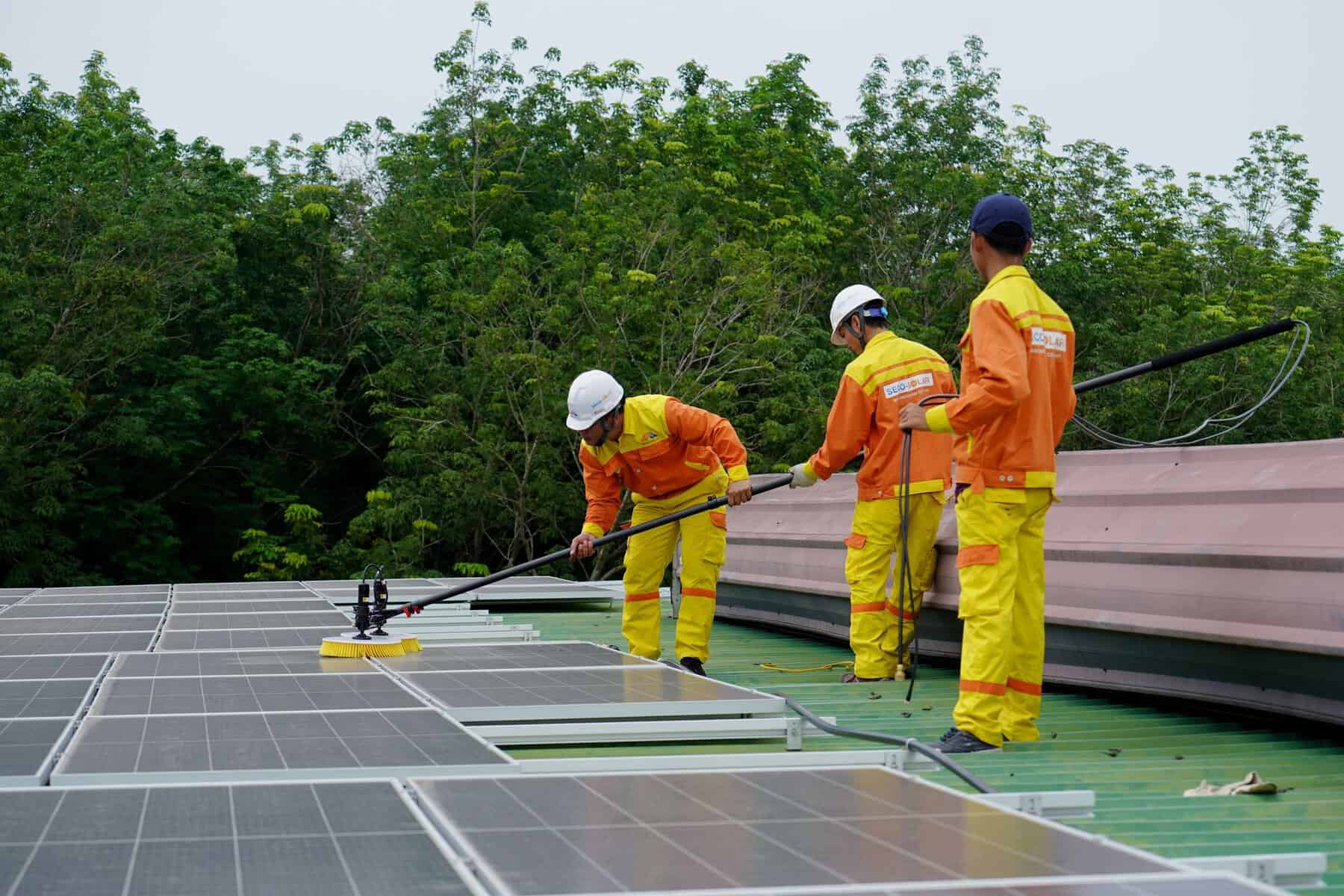
Professional solar panel cleaning typically costs $150–$300 for a standard residential system, depending on panel count, roof accessibility and your location — some providers charge per panel instead, often in the $3–$8 range. DIY cleaning with a soft brush and hose costs next to nothing, but is only safe and worthwhile on single-storey homes where panels are reachable from the ground. Given those numbers, cleaning only pays for itself when soiling is genuine and output-limiting — see the sections above for when that’s actually the case.
How to Check If Your Panels Need Cleaning
Rather than paying for cleaning on a schedule, monitor your system’s output through your monitoring app. If you notice generation dropping on clear sunny days compared to previous months (accounting for seasonal changes), inspect the panels. Visible dirt, droppings, or film indicates cleaning may help. If the panels look clean and output is normal, save your money.
Should You Clean Them Yourself?
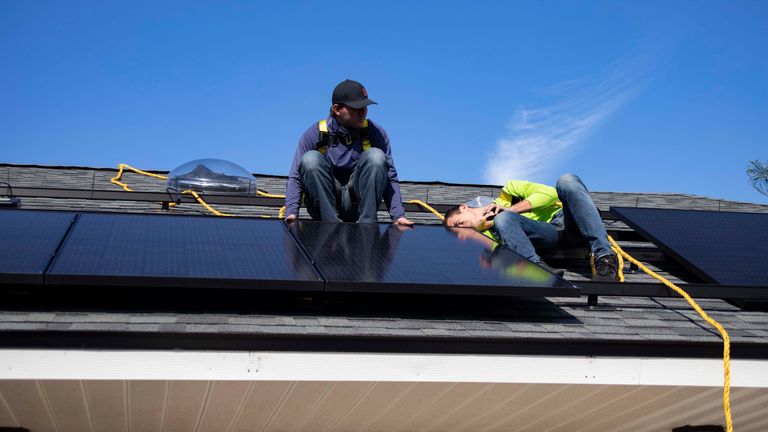
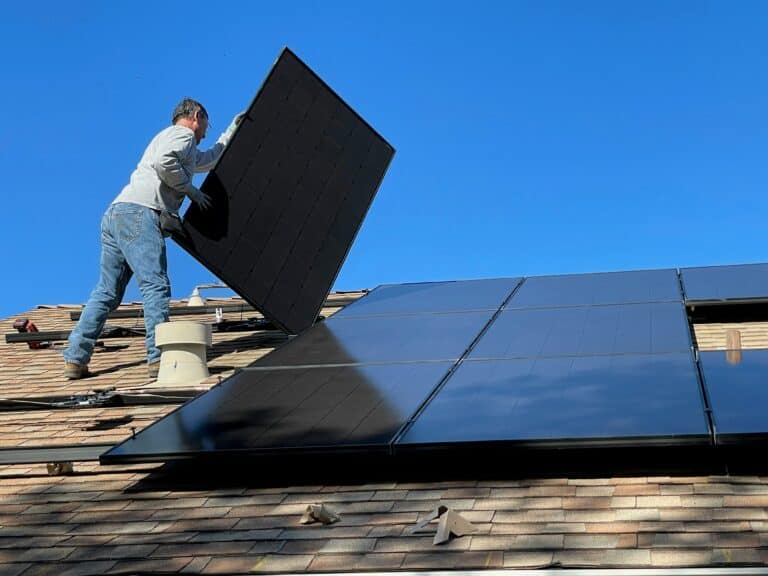
Generally no — getting on your roof is dangerous and voids some warranties. If panels are accessible from the ground with a soft brush and hose (single-storey homes), gentle cleaning with water is fine. Never use high-pressure washers, abrasive materials, or harsh chemicals — these can damage the panel surface and anti-reflective coating. For anything requiring roof access, hire a professional with insurance.
Frequently Asked Questions
How often should solar panels be cleaned in Australia?
For most homes, once every 1–2 years or as needed based on output monitoring. Homes in dusty, coastal, or agricultural areas may benefit from more frequent cleaning.
Does rain clean solar panels?
Largely yes, for panels at a standard roof pitch (15°+). Rain removes most loose dust and debris. It doesn’t remove bird droppings, sticky pollen, or salt film.
Will dirty panels damage my system?
General dust won’t cause damage — just reduced output. However, bird droppings and organic matter can create hot spots that damage cells over time, so these are worth removing promptly.
Does cleaning solar panels void the warranty?
Not if done correctly. Most manufacturers only void the warranty if you use high-pressure washers, abrasive tools or harsh chemicals, or if DIY roof access causes physical damage. Gentle ground-level cleaning with water, or hiring an insured professional, keeps you within warranty terms — check your specific manufacturer’s guidance to be sure.
Information reflects general guidance as at September 2026. Always follow your panel manufacturer’s cleaning recommendations to avoid voiding warranty.